12 Impactful Books About Healing and Mental Health (2025 Reading List)
These twelve books about healing and mental health are the ones I return to, not because they have all the answers, but because they ask better questions. They've shaped how I understand trauma, meaning, resilience, and what it means to be human.
Books won't replace therapy, but the right one at the right moment can make you feel less alone. It can give language to something you've felt but couldn't name.
If you're looking for reads that honor the complexity of being human, this list is for you.
These Books About Healing and Mental Health That Actually Changed How I See the World
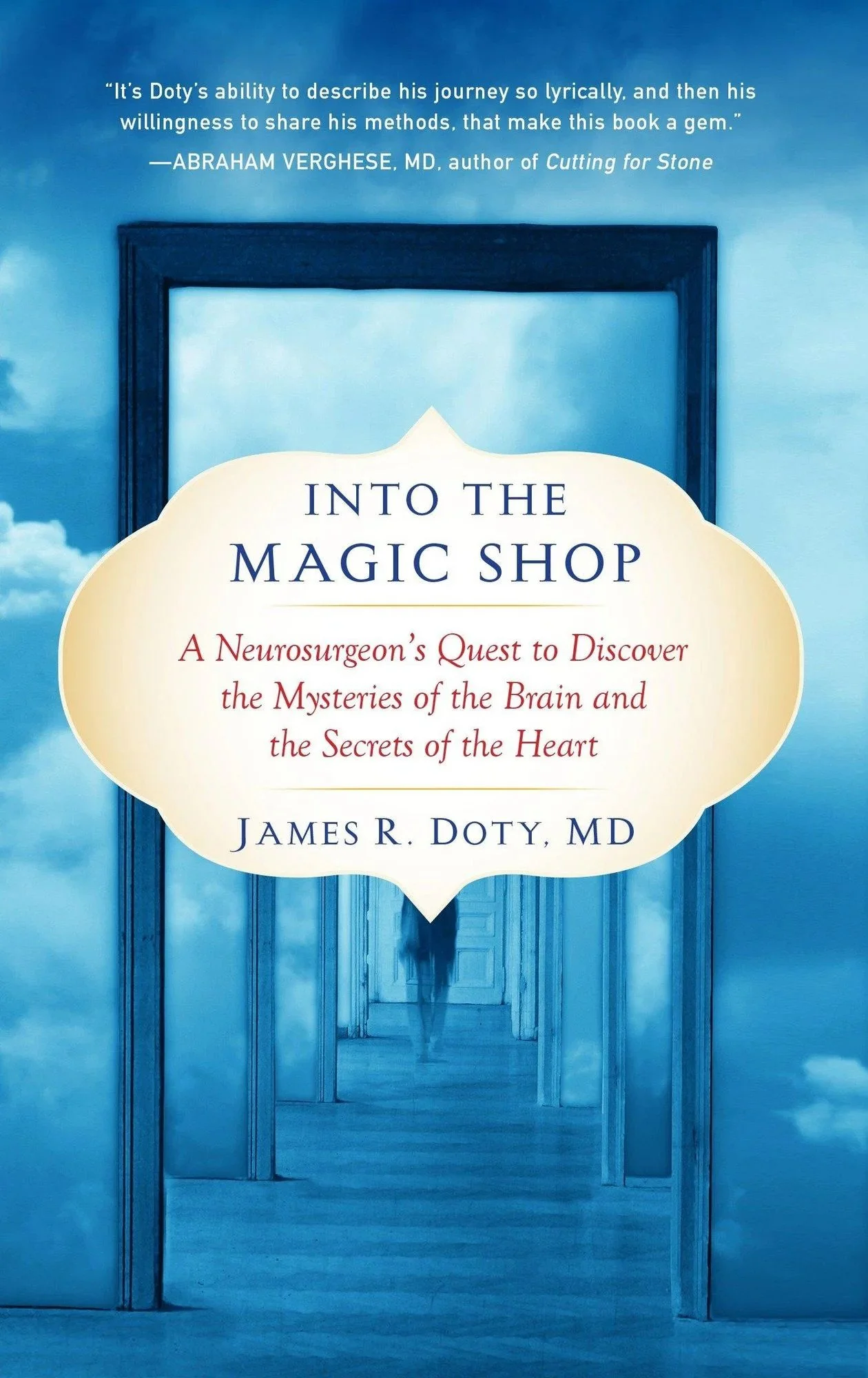
1. Into the Magic Shop by James R. Doty, MD
On compassion, mindfulness, and second chances
James Doty grew up poor, with an alcoholic father and a mother who couldn't get out of bed. Then a woman named Ruth taught him something that changed everything—not magic tricks, but practices of attention, visualization, and compassion.
Years later, as a neurosurgeon, Doty began researching what those early lessons actually did to his brain. This memoir weaves his personal story with neuroscience, exploring how our capacity for compassion—toward ourselves and others—shapes who we become.
There are no guarantees here, no promises that positive thinking will fix your life. Just an honest look at how attention, intention, and kindness can create space for something new, even after the hardest beginnings.
You might connect with this if:
You're curious about the science behind mindfulness
You're trying to make sense of a difficult childhood
You wonder whether it's possible to rewire old patterns
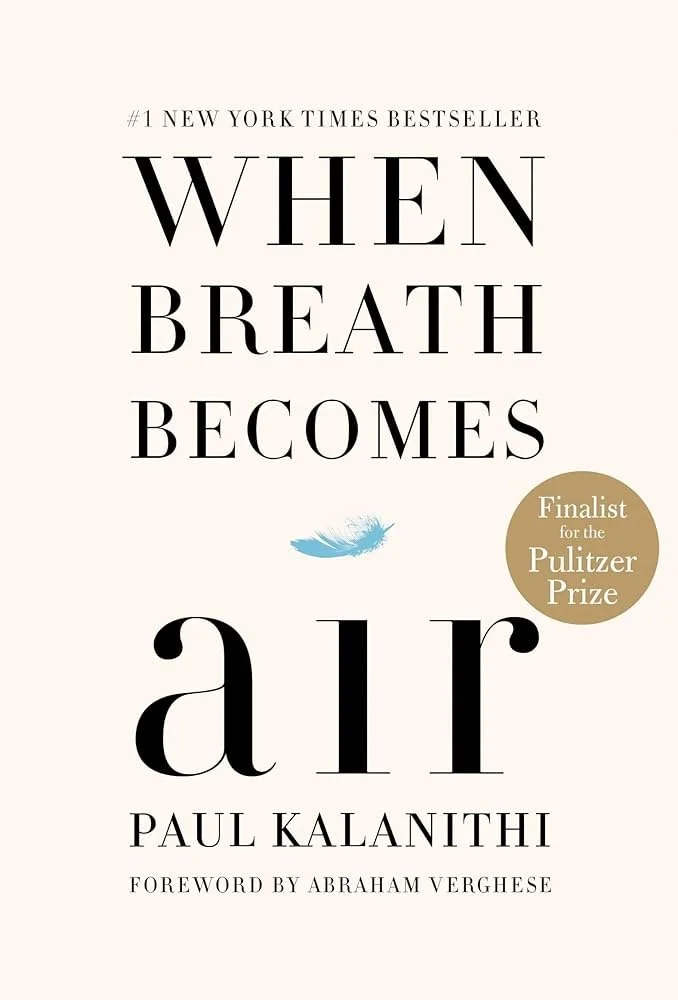
2. When Breath Becomes Air by Paul Kalanithi, MD
On mortality, meaning, and what makes life worth living
Paul Kalanithi was thirty-six, a neurosurgeon on the verge of finishing his training, when he was diagnosed with stage IV lung cancer. This book is what he wrote in the time he had left.
It's not a cancer memoir in the typical sense. It's a meditation on what gives life meaning when you know it's ending. On becoming a patient when you've always been the doctor. On holding your newborn daughter while facing your own death.
Kalanithi writes with the precision of a surgeon and the heart of a philosopher. There's no false hope here, no tidy resolution—just the raw, tender truth of someone living fully until the very end.
This book stays with you because:
It treats death as part of life, not its opposite
It's honest about suffering without being hopeless
It reminds us that meaning isn't something we find—it's something we create
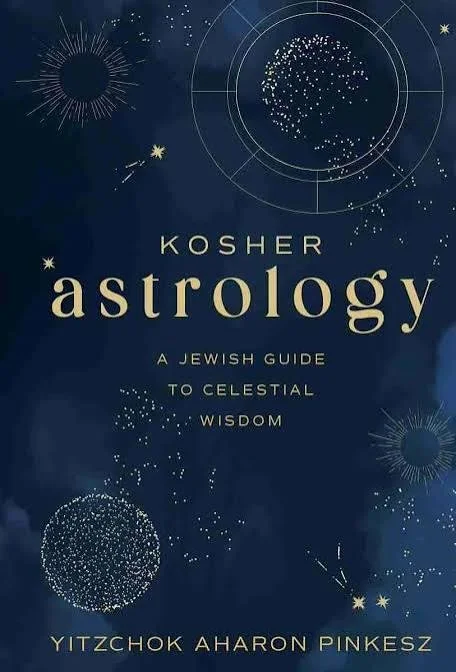
3. Kosher Astrology - A Jewish Guide to Celestial Wisdom by Yitzchok A. Pinkesz
On self-understanding through a Jewish lens
I know, astrology in a therapist’s reading list might raise eyebrows. But Kosher Astrology isn’t about predicting the future or blaming Mercury retrograde. It uses the birth chart as a tool for self-reflection, grounded in Jewish spirituality and the principle of free will. The book explores how we may be born with certain tendencies, gifts, and conflicts, while emphasizing that what we do with them is entirely up to us.
In kosher astrology, the exact moment you are born is intentional. The energies implanted at birth are meant to help you fulfill your purpose. Your birth chart is a gift from G-d. Learning about my own chart as a Gemini Sun with a Pisces Moon ( along with many other signs and planetary placements) helped me understand myself with more clarity and compassion. Rather than offering predictions, kosher astrology highlights periods when certain energies may be more present, offering insight while still honoring choice and responsibility.
This might resonate if you:
Aim to understand astrology through the lens of judaism
Want to understand yourself better, including your strengths, challenges, and inner conflicts
Would like to gain insight into the people in your life, such as children and partners, and explore how different charts interact and influence relationships
Understand how certain time periods carry different energies through planetary transits, without viewing them as predictions or fixed outcomes, while honoring free will and choice
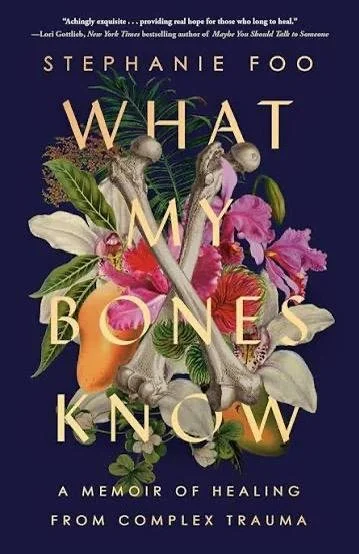
4. What My Bones Know by Stephanie Foo
On Complex PTSD and what healing actually looks like
Stephanie Foo was an accomplished radio producer when she finally got diagnosed with Complex PTSD, the kind that comes from sustained childhood abuse, not a single traumatic event.
This memoir is her attempt to understand what that diagnosis means, how trauma literally lives in the body, and what it takes to heal when the wounds are this deep. She interviews researchers, tries different therapies, and ultimately arrives at a truth many of us need to hear: healing isn't about erasing trauma. It's about learning to live with it differently.
Her honesty is what makes this book essential. Healing isn't linear. Sometimes it's messy, frustrating, and slow. And that's okay.
Read this if:
You've been told you're "too sensitive" or "overreacting"
You're learning about the body's role in trauma
You need permission to heal at your own pace
You want to understand more about complex trauma
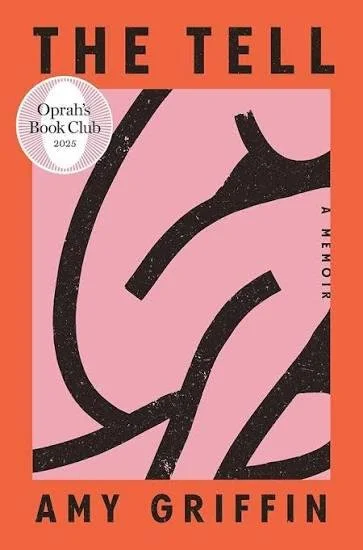
5. The Tell by Amy Griffin
On repressed memory, body truth, and finding your voice
Amy Griffin's body knew something her mind had buried. Physical symptoms, emotional patterns, fractured relationships—all pointing to a truth she couldn't yet remember.
The Tell chronicles her journey of uncovering repressed childhood trauma and reclaiming her story. She writes about therapy, the body's wisdom, and her personal experience with MDMA-assisted therapy (she's clear this was her path, not a prescription for others).
What makes this memoir powerful is its central message: your body doesn't lie. Even when memory fails, the body keeps the score—and learning to listen to it can be the beginning of freedom.
This book might speak to you if:
You have physical symptoms no doctor can explain
You're exploring somatic or body-based healing
You're ready to trust what your body has been trying to tell you
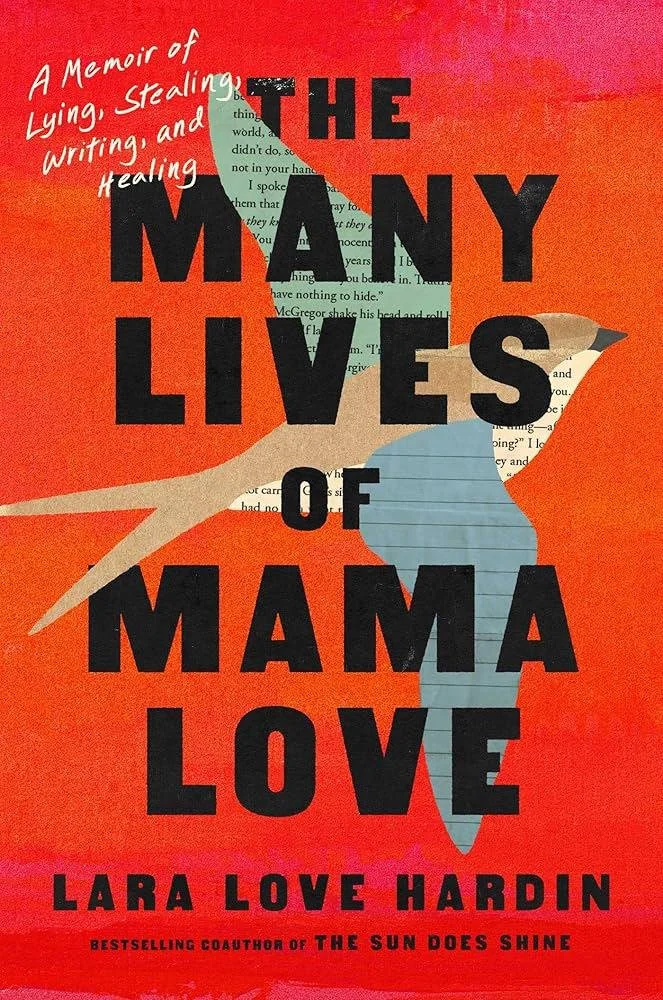
6. The Many Lives of Mama Love by Lara Love Hardin
On addiction, incarceration, and radical self-forgiveness
Lara Love Hardin went from suburban mom to opioid addict to federal inmate serving time for multiple felonies. This is the story of how she clawed her way back, not to her old life, but to something entirely new.
What I love about this book is its refusal to make redemption neat. Hardin doesn't excuse her choices or wrap them in a tidy bow. She examines shame, accountability, and the long, unglamorous work of rebuilding a life from scratch. It's also a reminder that we are always more than our worst moment. Always.
This book was captivating from start to finish and kept me on my toes, making it hard to put down.
You'll find yourself in this if:
You're carrying shame about past mistakes
You believe people can change (or want to believe it)
You need a story about starting over when everything's been lost
7. How Do You Choose? by Erin Claire Jones
On self-acceptance and trusting your own inner compass
This book uses Human Design, a system blending astrology, Eastern philosophy, and modern frameworks, to explore how different people are wired to make decisions, work, and relate.
For me personally, this book was permission. Permission to be multi-passionate instead of "unfocused." Permission to trust my decision-making process even when it looks different from others'. Permission to stop forcing myself into molds that were never meant for me. As a Manifesting Generator, I always wondered why I had so many passions, why they kept evolving, and why I felt like I had to pick one lane. Now I know these are my gifts. I am meant to be multi-passionate, and I do my best when I am doing many things at once.
It's not about finding "your purpose" (as if there's only one). It's about understanding yourself well enough to make choices that actually feel aligned.
This might help if:
You struggle with decision-making or overthinking
You've felt like something's "wrong" with how you operate
You're tired of one-size-fits-all advice
You feel stuck in your life, your career , and relationships.
Want More understanding about yourself and how you operate

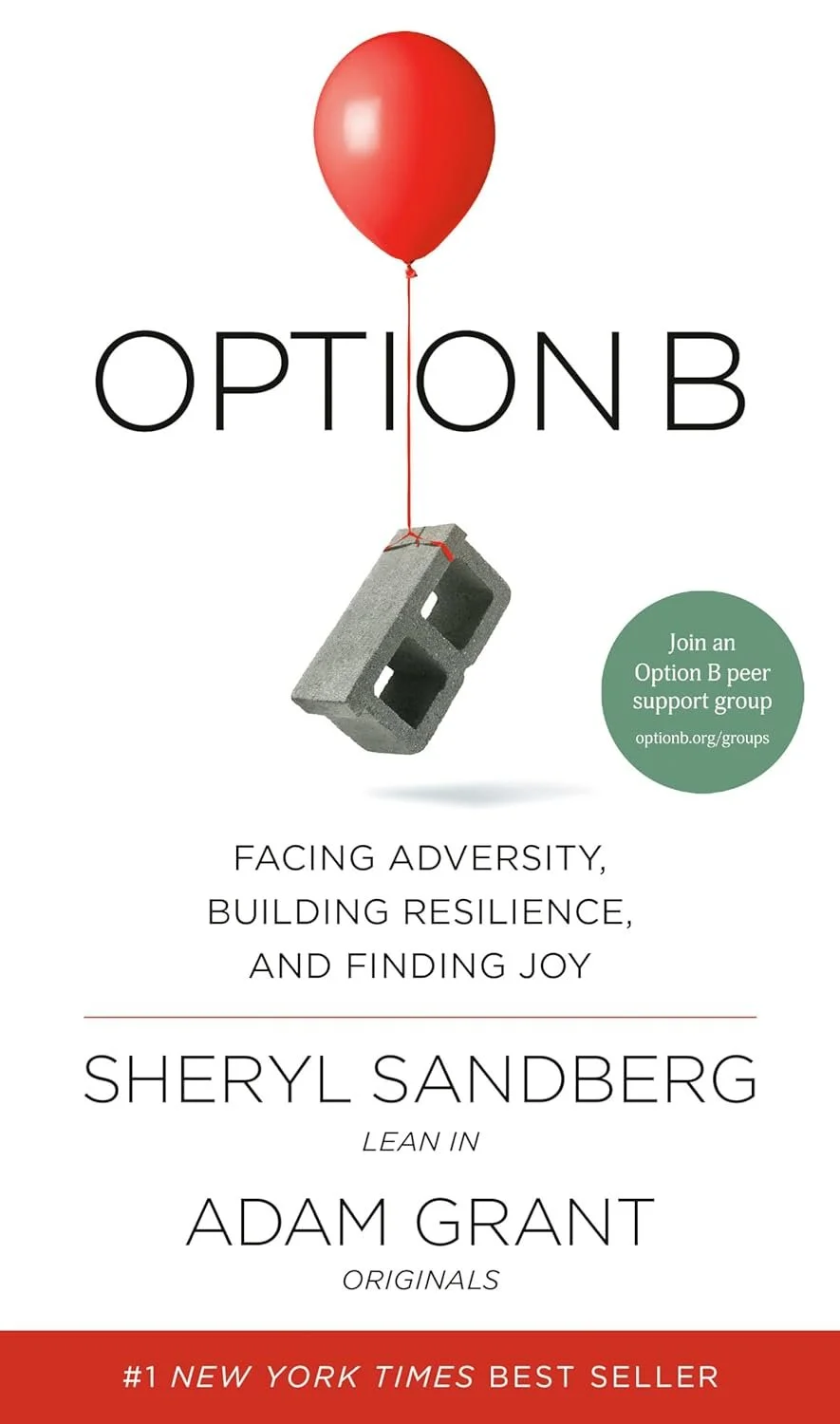
8. Option B by Sheryl Sandberg & Adam Grant
On grief, resilience, and learning to live after loss
Sheryl Sandberg's husband died suddenly while they were on vacation. One moment he was there, the next he wasn't. She describes the aftermath as "the void", a grief so complete it felt like she might never breathe normally again.
Option B is what she wrote in the years that followed, co-authored with psychologist Adam Grant. It's part memoir, part research on resilience, and entirely honest about what it's like when life doesn't go according to plan.
What makes this book essential is its refusal to romanticize resilience. Sandberg doesn't pretend grief has an endpoint or that you can positive-think your way through trauma. Instead, she talks about what actually helped: showing up for her kids, letting people support her (even when it felt awkward), and slowly discovering that resilience isn't something you either have or don't—it's something you build, often in relationship with others.
This book matters if:
You're navigating sudden loss or life-altering change
You're supporting someone in crisis and don't know what to say
You need permission to grieve without a timeline
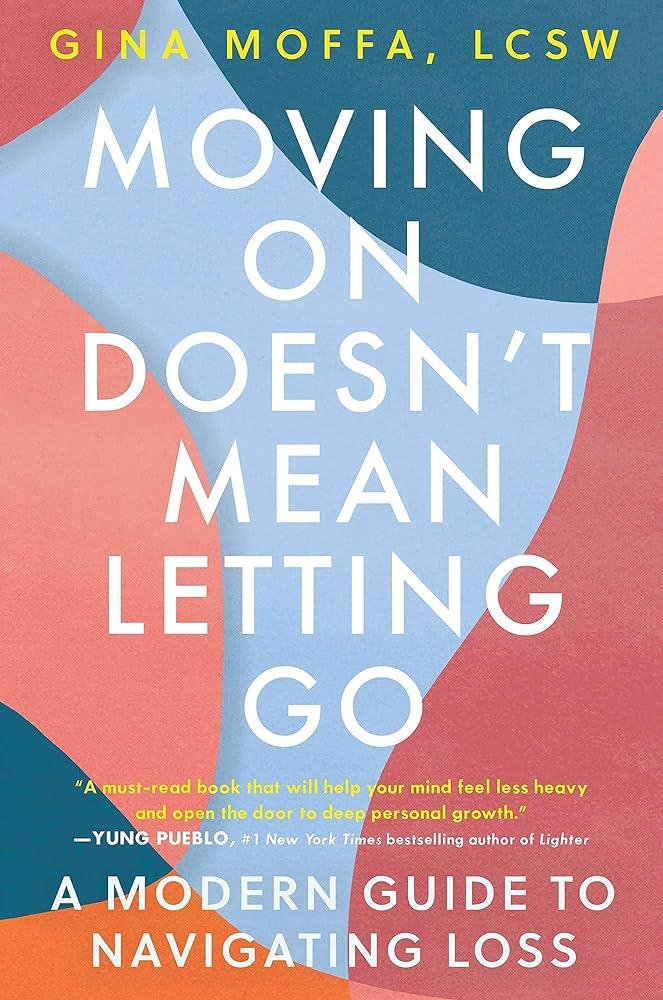
9. Moving On Doesn't Mean Letting Go by Gina Moffa, LCSW
On carrying grief while still living your life
The title says it all. You don't have to "get over it." You don't have to find closure. You don't have to be grateful for the lesson or look on the bright side.
Gina Moffa is a grief and trauma therapist who has spent nearly twenty years sitting with people in their worst moments. She knows grief doesn't follow a neat five-stage model. She knows it comes in waves, sometimes years later. She knows the pressure to "move on" can be its own kind of violence.
This book offers something different: permission to grieve at your own pace, in your own way. Moffa talks about finding your unique grief rhythm, setting boundaries when people say unhelpful things, and reconnecting with your body when grief lives there too.
Read this if:
You're tired of being told "everything happens for a reason"
You feel like your grief is "too much" or lasting "too long"
You want a book that treats grief as something to be honored, not solved
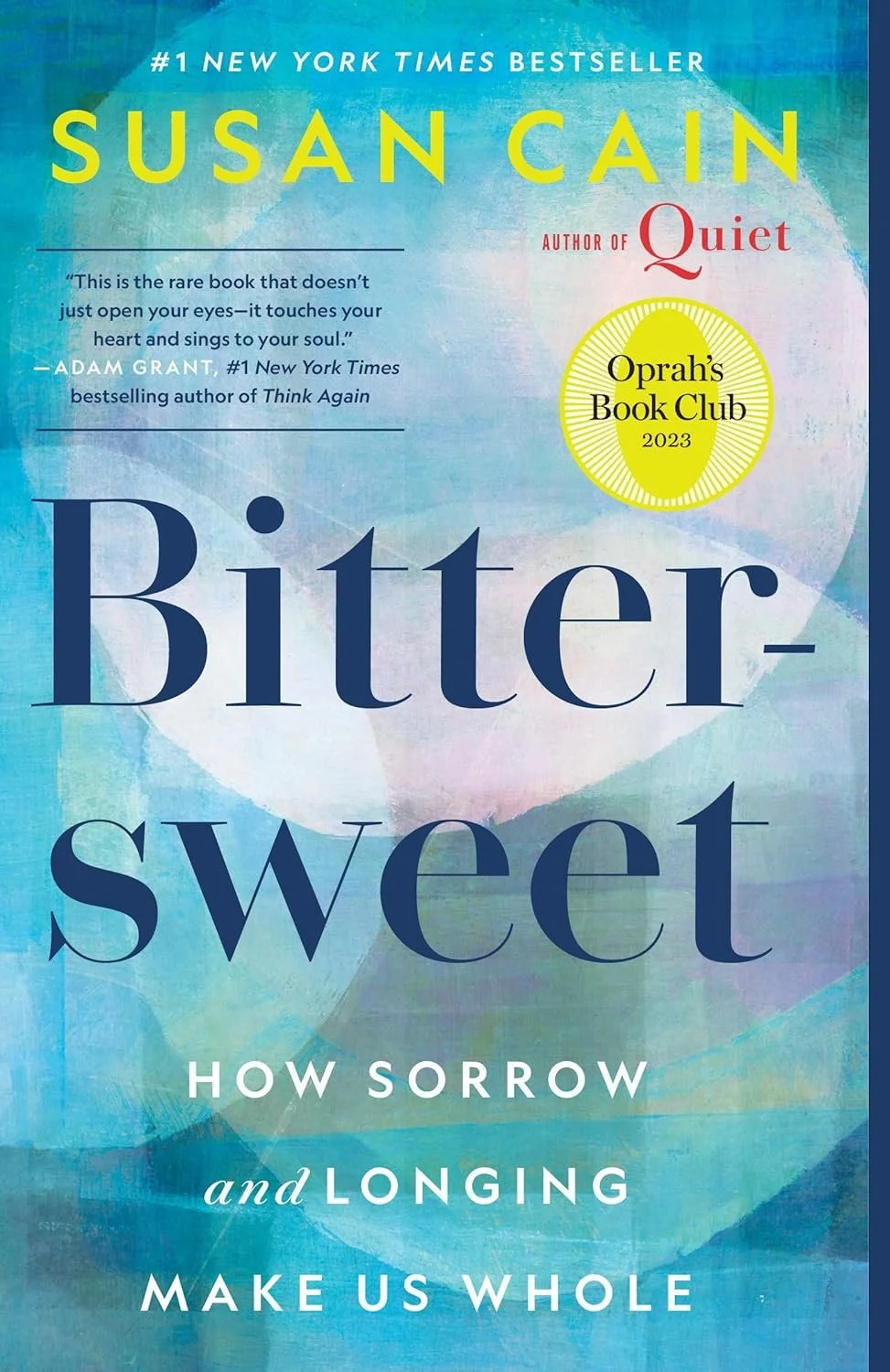
10. Bittersweet by Susan Cain
On why sadness and longing aren't problems to fix
Susan Cain, the woman who wrote Quiet and changed how we think about introversion, turned her attention to something equally misunderstood: the bittersweet parts of being human.
In a culture obsessed with positivity and productivity, we're taught to avoid sadness, push past grief, keep our longing quiet. But Cain suggests that when we deny the tender, aching parts of ourselves, we lose access to creativity, connection, and compassion. That joy and sorrow aren't opposites—they're partners.
This isn't a self-help book with steps to feel better. It's more like permission to feel everything, to let your heart break open, to trust that melancholy and meaning can coexist. This helped me understand why I’ve always loved sad books, movies, and songs. There is something about the bittersweet that touches the soul.
This book will speak to you if:
You feel things deeply and have been told you're "too sensitive"
You find beauty in sadness and don't know why
You're tired of pretending to be okay when you're actually just human
11. Many Lives, Many Masters by Brian L. Weiss, MD
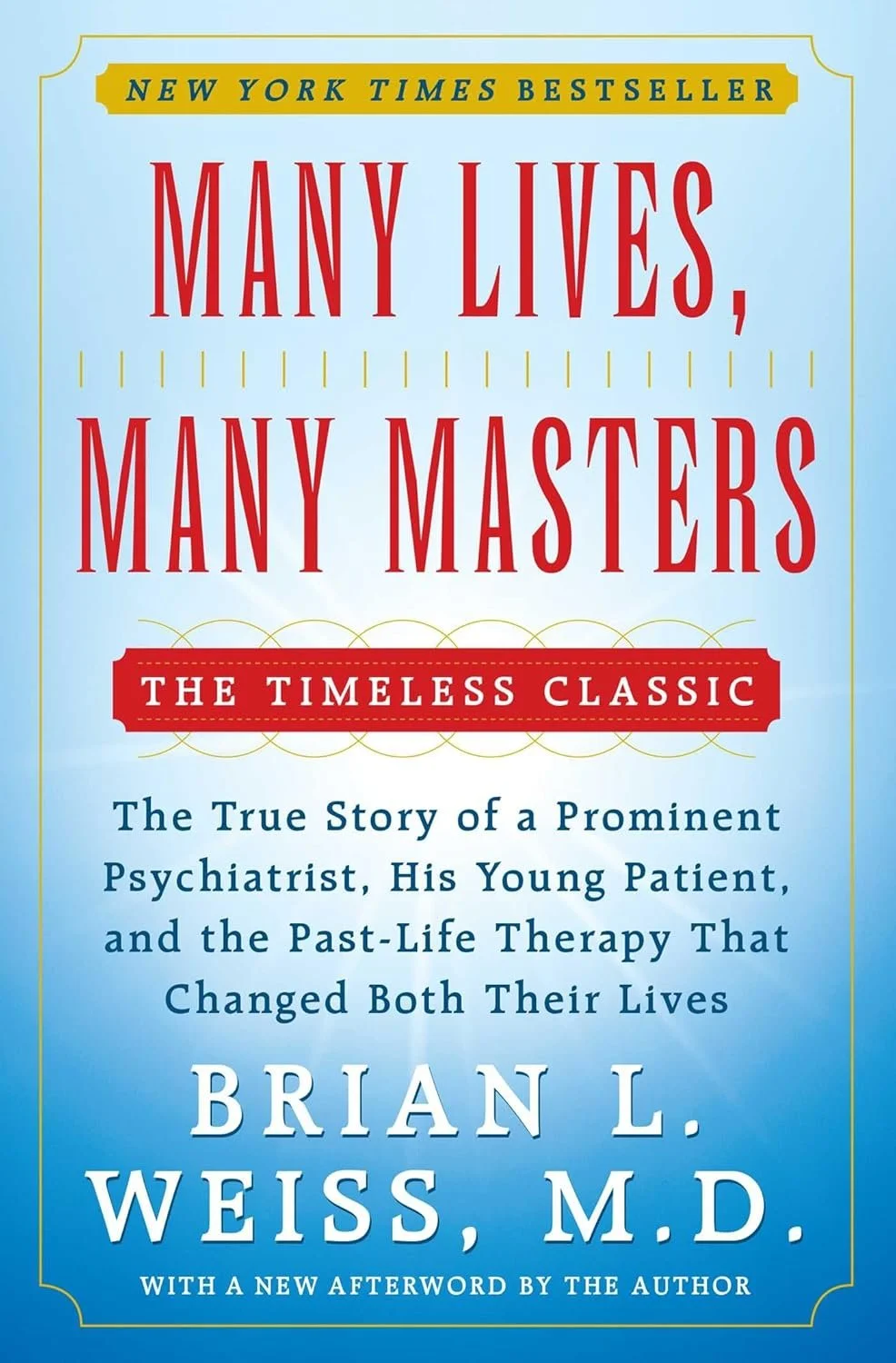
On spiritual healing and the questions science can't answer
Fair warning: this one's different.
Brian Weiss was a traditionally trained psychiatrist, rational, evidence-based, skeptical of anything that couldn't be measured. Then one of his patients began recalling what she believed were past-life memories during hypnotherapy. Memories that seemed connected to her anxiety and nightmares.Memories that genuinely unsettled him—particularly when, during a hypnosis session, a client began speaking a language she had never learned in this lifetime: ancient Egyptian.
This book chronicles what happened next, how those sessions challenged everything he thought he knew about healing, consciousness, and what it means to be human.
I’m including this book not because its ideas are scientifically proven (they aren’t), but because they hold deep meaning for many people exploring spirituality and healing. Weiss isn’t prescribing a treatment or making universal claims—he’s sharing his own journey from skepticism to a place where he became willing to hold mystery. On a personal note, past-life regression therapy is something I’m genuinely curious about and definitely on my own list of experiences to explore, not as a clinical solution, but as a way of engaging with questions of meaning, consciousness, and healing.
This might resonate if:
You're drawn to spiritual frameworks for understanding suffering
You're curious about consciousness beyond what can be proven
You're open to questions that don't have neat answers
Skip this if: you prefer evidence-based approaches or find spiritual interpretations of healing unhelpful.
12. Emotional Inheritance by Galit Atlas, PhD
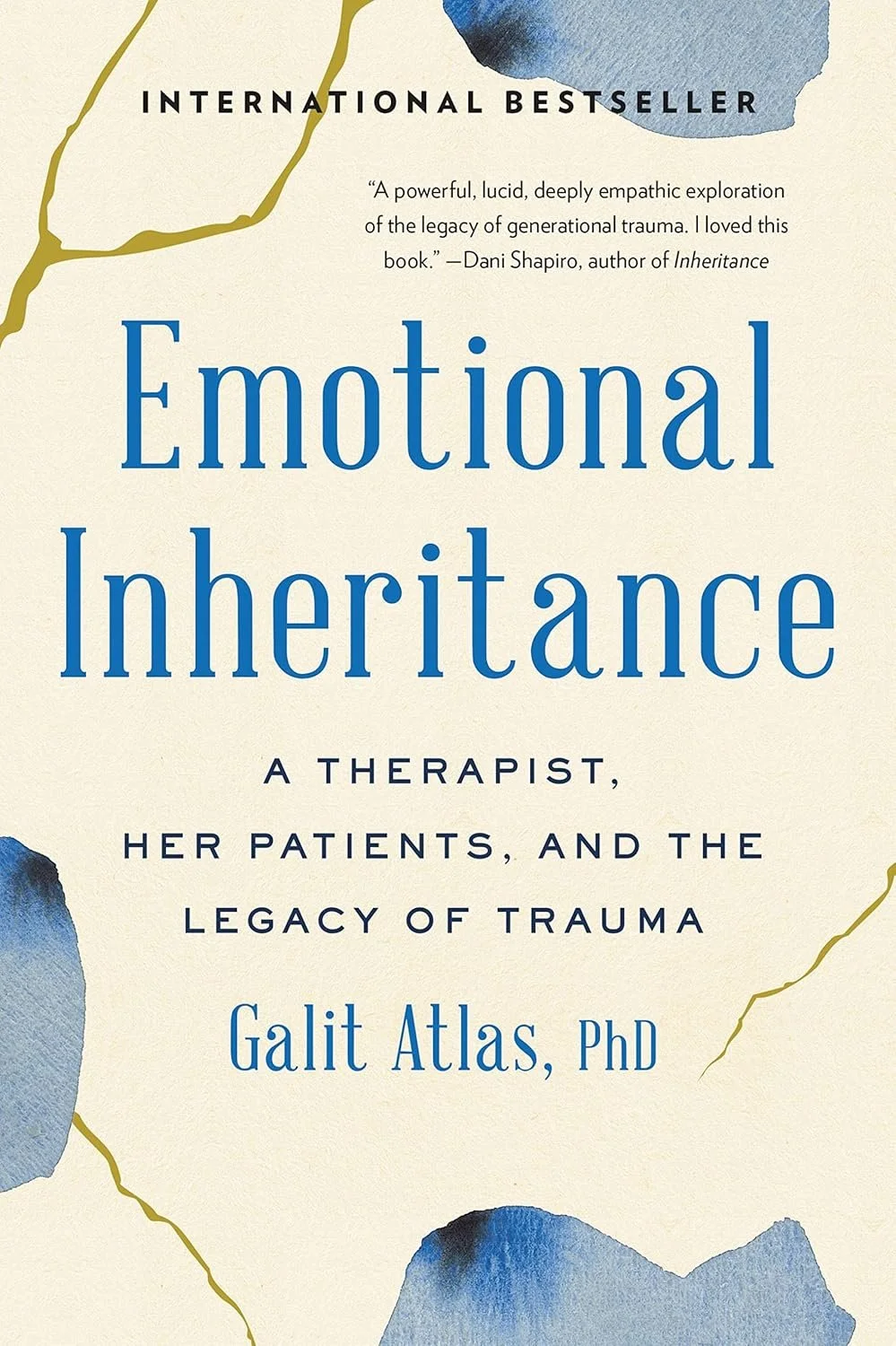
On the grief and trauma your family never talked about
Have you ever felt anxious about something that doesn't make sense? Or found yourself stuck in a pattern you can't explain? What if some of what you're carrying isn't actually yours?
Galit Atlas is a psychoanalyst who explores how trauma, grief, and secrets get passed down through generations, not just through the stories we tell, but through the silences we keep. She calls this "emotional inheritance."
The grandmother who survived the Holocaust but never spoke of it. The grandfather who drank to numb something no one named. The parent whose grief was so private you learned early not to ask. These unspoken experiences don't just disappear. They live in the family system, shaping how we love, fear, and understand ourselves.
Atlas writes with deep compassion, never blaming parents or previous generations. Instead, she invites curiosity: What were they carrying? What couldn't be said? And how might understanding this create more freedom in our own lives?
This book is for you if:
You keep repeating patterns you don't understand
You sense there are family stories you've never been told
You're interested in how the past shapes the present, even when we don't realize it
Why These Books Matter
Books about healing and mental health won't cure depression or resolve trauma. But they can do something equally important: they can make you feel less alone.
They can give you language for experiences you thought were yours alone. They can normalize the mess of being human. And sometimes, they can crack open a door you didn't know was there.
Reading someone else's story won't replace therapy or professional support. But it can be a companion on the journey—a reminder that growth is rarely linear, healing takes many forms, and there's no single "right" way to be okay.
A Word of Care
Several books on this list explore trauma, abuse, addiction, terminal illness, and other difficult topics. Please be gentle with yourself as you read. Go at your own pace. Put the book down if you need to. And if hard feelings come up, consider reaching out to a therapist or trusted support person.
Final Thoughts on Books About Healing and Mental Health
These are the books I can’t stop thinking about. Each one shifted something in me, how I see myself, how I understand healing, and how I move through the world. Some gave language to things I had always felt but never fully understood.
If you’re looking for a book that opens your mind, touches your heart, and stays with you, save this list. Happy New Year. Here’s to a year of growth and inspiration.